
As we step into the realm of 2025, the landscape of home automation and security systems is evolving at a rapid pace. This engaging title sets the stage for a journey through the latest advancements and innovations that promise to revolutionize our living spaces.
From cutting-edge technologies to personalized solutions, the future looks bright for homeowners seeking a seamless blend of convenience and safety.
Overview of Home Automation and Security Systems
Home automation refers to the use of technology to control and automate household devices and systems. This includes lighting, heating, air conditioning, security cameras, and more. In modern households, home automation plays a significant role in enhancing convenience, comfort, energy efficiency, and security.
Integrating security systems with home automation is crucial for ensuring the safety and protection of the household. By combining security cameras, motion sensors, smart locks, and alarms with automation technology, homeowners can monitor and control their home's security remotely, providing peace of mind and enhanced protection against intruders or emergencies.
Key Trends in the Home Automation and Security Industry Leading Up to 2025
- The Rise of Smart Home Hubs: Smart home hubs are becoming increasingly popular as central control units for various smart devices, allowing homeowners to manage multiple systems from a single interface.
- Increased Emphasis on Cybersecurity: With the growing number of connected devices in smart homes, cybersecurity has become a top priority for manufacturers and consumers to prevent hacking and data breaches.
- Integration of Artificial Intelligence (AI): AI-powered automation systems are being developed to learn and adapt to homeowners' behaviors, optimizing energy usage, security settings, and overall home comfort.
- Enhanced Voice Control Features: Voice assistants like Amazon Alexa and Google Assistant are being integrated into home automation systems, allowing users to control devices and access information through voice commands.
- Expansion of DIY Installation Options: Manufacturers are making home automation and security systems more user-friendly with DIY installation kits, enabling homeowners to set up and customize their systems without professional assistance.
Types of Home Automation and Security Systems
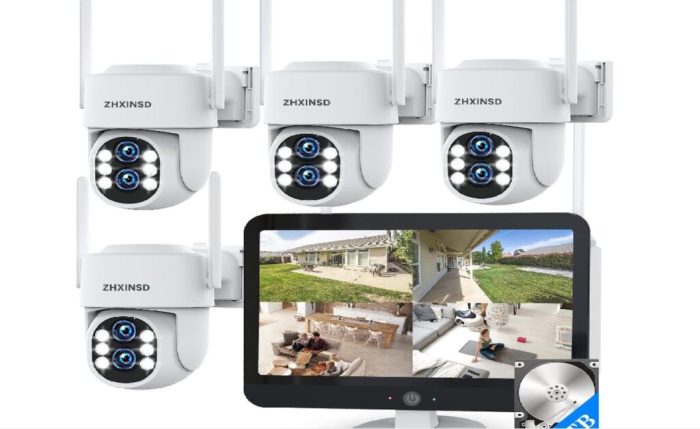
In the realm of home automation and security systems, there are various options available to enhance the functionality and safety of your living space.
Home Automation Systems
- Smart Lighting: These systems allow you to control the lighting in your home remotely through a smartphone or voice command, providing convenience and energy efficiency.
- Smart Thermostats: Smart thermostats learn your heating and cooling preferences and adjust the temperature accordingly, saving energy and enhancing comfort.
- Smart Appliances: From refrigerators to washing machines, smart appliances can be controlled and monitored remotely, offering convenience and efficiency.
Security Systems
- Alarm Systems: These systems detect unauthorized entry into your home and alert you and the authorities, providing a crucial layer of security.
- Surveillance Cameras: Surveillance cameras allow you to monitor your home remotely, deter potential intruders, and provide valuable evidence in case of a security breach.
- Smart Locks: Smart locks offer keyless entry options, allowing you to control access to your home and monitor who enters and exits.
Wired vs. Wireless Systems
- Wired Systems: Wired home automation and security systems are typically more reliable and less susceptible to interference, but installation can be complex and costly.
- Wireless Systems: Wireless systems offer easier installation and flexibility in placement, but they may be vulnerable to signal interference and hacking if not properly secured.
Emerging Technologies in 2025
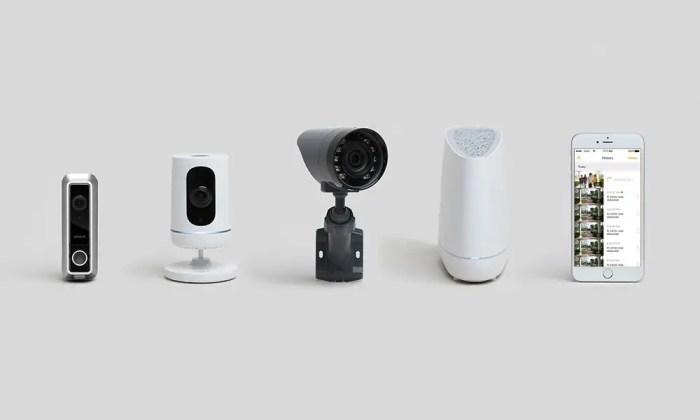
AI, machine learning, and IoT are set to revolutionize home automation and security systems by 2025. These cutting-edge technologies will enhance the efficiency, convenience, and security of smart homes in ways we have never seen before.
Role of Voice Assistants in Home Automation
Voice assistants like Alexa and Google Home will play a crucial role in controlling home automation systems in 2025. These devices will not only respond to voice commands to adjust lighting, temperature, and security settings but will also learn user preferences over time to provide a more personalized experience.
Advancements in Biometric Security
By 2025, we can expect significant advancements in biometric security features for homes. Biometric authentication methods such as facial recognition, fingerprint scanning, and voice recognition will become more sophisticated and widely adopted, providing a higher level of security and convenience for homeowners.
Integration and Compatibility
When it comes to home automation and security systems, integration and compatibility play a crucial role in ensuring a seamless user experience. The ability of different devices to work together harmoniously can greatly enhance the overall functionality and convenience of a smart home setup.
Importance of Interoperability
Interoperability between various home automation devices is essential for creating a cohesive and efficient system. When devices can communicate and interact with each other, users can automate tasks, set up routines, and control multiple functions through a single interface
Challenges and Solutions
- Challenge: Integrating devices from different brands can lead to compatibility issues and communication breakdowns.
- Solution: The use of standardized communication protocols like Zigbee or Z-Wave can help bridge the gap between devices from different manufacturers.
- Challenge: Firmware updates and software changes can affect device compatibility over time.
- Solution: Regular updates and patches from manufacturers can address compatibility issues and ensure smooth operation.
Impact of Compatibility with Popular Platforms
Compatibility with widely-used platforms like Apple HomeKit and Google Home can significantly enhance the user experience by providing seamless integration with other smart devices. Users can control their entire smart home ecosystem through a centralized platform, making it easier to manage and monitor various functions.
Customization and Personalization
Homeowners today have the ability to customize their home automation and security systems to tailor them to their specific needs and preferences. This level of customization allows for a more personalized experience that enhances the overall functionality and convenience of smart homes.
Role of Data Analytics in Personalizing Automation Settings
One key aspect of customization in home automation and security systems is the use of data analytics to personalize automation settings based on user behavior. By analyzing data on how homeowners interact with their smart devices and security systems, the technology can adapt to their habits and preferences, creating a more intuitive and efficient system.
Examples of Customization Enhancing User Experience
- Customized alerts and notifications: Homeowners can set up personalized alerts for specific events, such as when a door is opened or motion is detected in a certain area of the house. This level of customization ensures that users are only notified about events that are relevant to them.
- Individualized schedules: Smart home systems can be customized to fit each individual's schedule, automatically adjusting lighting, temperature, and other settings based on when they typically come and go from the house. This personalization not only enhances comfort but also helps save energy.
- Voice commands and preferences: Home automation systems can be personalized to recognize individual voices and preferences, allowing each family member to control devices and settings with ease. This customization makes the smart home experience more seamless and user-friendly.
Future Security Threats and Solutions
In the rapidly evolving landscape of home automation systems, ensuring cybersecurity is crucial to protect smart homes from potential threats. Let's explore some of the future security threats and solutions to safeguard these advanced systems.
Potential Cybersecurity Risks
- Malware and ransomware attacks targeting smart devices connected to home automation systems.
- Unauthorized access by hackers to sensitive personal data stored within the smart home network.
- Vulnerabilities in IoT devices used in home automation that could be exploited for malicious purposes.
- Phishing scams and social engineering techniques aimed at gaining access to smart home control systems.
Strategies and Technologies for Safeguarding Smart Homes
- Implementing robust encryption methods to secure data transmission between devices and the central control unit.
- Utilizing multi-factor authentication mechanisms to ensure only authorized users can access the smart home system.
- Regularly updating software and firmware to patch vulnerabilities and protect against known exploits.
- Installing intrusion detection systems to monitor network traffic and detect any suspicious activities.
Importance of Regular Software Updates and Security Protocols
Regular software updates are essential to address newly discovered vulnerabilities and ensure the security of home automation systems. By staying up to date with the latest security protocols, homeowners can minimize the risk of cyber attacks and protect their smart homes from potential breaches.
Concluding Remarks
In conclusion, the horizon of 2025 holds a plethora of possibilities for home automation and security systems. With emerging technologies, customizable options, and a focus on cybersecurity, the future is indeed exciting. As we gear up for what lies ahead, it's clear that the best is yet to come in the world of smart homes.
Helpful Answers
How can I ensure compatibility between different home automation devices?
To ensure compatibility, it's crucial to choose devices that support common communication protocols like Zigbee or Z-Wave. Additionally, opting for devices that are compatible with popular platforms such as Apple HomeKit or Google Home can simplify integration.
What are some key trends to watch out for in the home automation and security industry by 2025?
Some key trends to watch out for include the increased integration of AI and machine learning, advancements in biometric security features, and the growing role of voice assistants in controlling smart home systems.
How can homeowners personalize their home automation settings?
Homeowners can personalize their settings by utilizing data analytics to understand their usage patterns and preferences. This data can then be used to tailor automation settings to suit their specific needs, enhancing their overall smart home experience.