
As Comparing the Top Smart Security Systems for Global Homes takes center stage, this opening passage beckons readers into a world crafted with good knowledge, ensuring a reading experience that is both absorbing and distinctly original.
Smart security systems have revolutionized the way we protect our homes, offering advanced features and seamless integration. This guide will delve into the top brands, their unique offerings, and the global suitability of these systems.
Overview of Smart Security Systems
Smart security systems are advanced technology solutions designed to protect homes and properties by integrating various security features into a centralized system that can be monitored and controlled remotely. These systems utilize sensors, cameras, alarms, and other devices to enhance the security of a property and provide real-time alerts to homeowners.
Key Features of Smart Security Systems
- Video Surveillance: Most smart security systems include cameras that provide live video feeds and recordings of the property.
- Motion Sensors: These sensors detect any movement within the property and trigger alerts to the homeowners.
- Smart Locks: Allow homeowners to lock and unlock doors remotely, providing convenience and security.
- Mobile App Integration: Smart security systems can be controlled through mobile apps, enabling homeowners to monitor their property from anywhere.
The Importance of Smart Security Systems in Modern Homes
Smart security systems play a crucial role in enhancing the safety and security of modern homes. With the rise of smart technology, homeowners can now have peace of mind knowing that their properties are protected even when they are not physically present.
These systems provide a layer of defense against intruders, burglars, and other potential threats, making them an essential investment for any homeowner looking to safeguard their property.
Integration with Home Automation
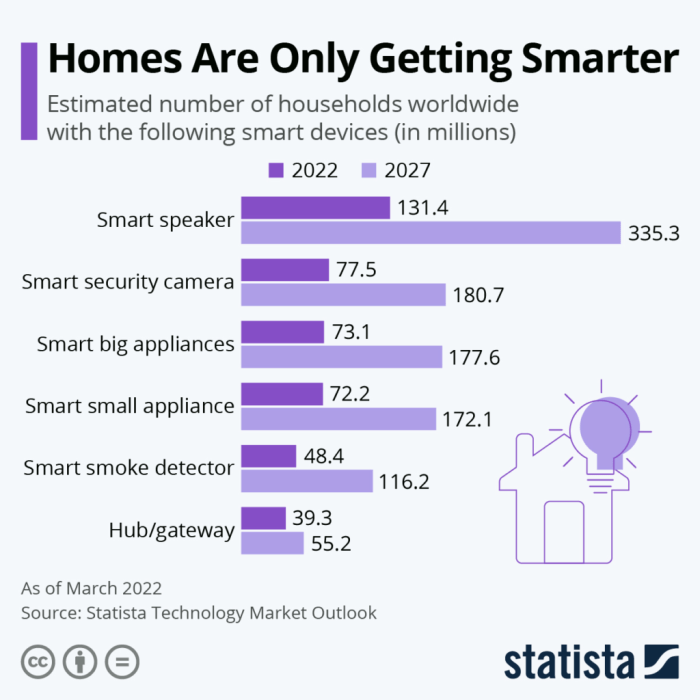
Smart security systems have revolutionized the way we protect our homes by seamlessly integrating with home automation technology. This integration allows for a more comprehensive and convenient approach to home security.
Smart Locks and Security Cameras
- Smart security systems can work in tandem with smart locks to provide keyless entry options for homeowners. This allows for remote access control and monitoring of who enters and exits the home.
- Security cameras can also be integrated into the system, providing real-time video footage that can be viewed from anywhere using a smartphone or tablet.
- These devices can be programmed to work together, triggering specific actions based on certain events or schedules set by the homeowner.
Smart Sensors and Alarms
- Smart sensors, such as motion detectors and door/window sensors, can be connected to the security system to provide alerts in case of any unusual activity.
- These sensors can trigger alarms and send notifications to the homeowner's devices, allowing for immediate response to potential security threats.
- Integration with home automation platforms like Amazon Alexa or Google Assistant enables voice commands to arm/disarm the security system or check the status of sensors.
Benefits of Integration
- Having a fully integrated smart home security setup provides a centralized control hub for all connected devices, enhancing the overall security and convenience of the system.
- Automation features like scheduled lighting, thermostat control, and remote access enhance energy efficiency and comfort while maintaining a secure environment.
- The ability to monitor and control all aspects of home security and automation through a single app simplifies management and ensures a more cohesive user experience.
Global Suitability and Adaptability
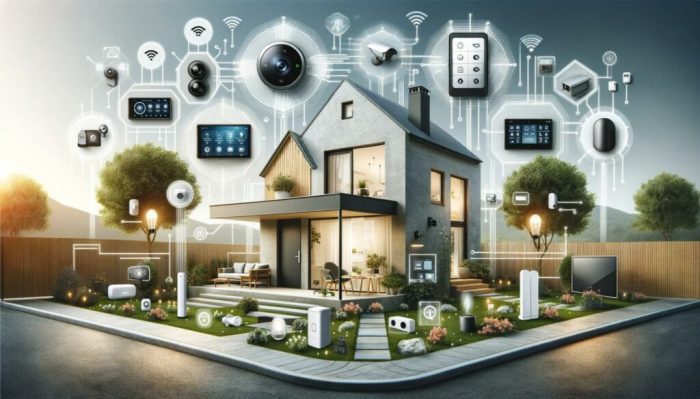
Smart security systems have to be adaptable to different regions and climates worldwide to cater to the diverse needs of homeowners. These systems must also be flexible enough to work with various housing structures commonly found across the globe.
Regional Adaptability
Smart security systems need to consider regional differences in climate, culture, and regulations to provide effective security solutions. For example, systems in tropical regions may need to withstand high humidity levels, while those in colder climates must be able to function in sub-zero temperatures.
Housing Structures
The adaptability of smart security systems to different housing structures is crucial for their global suitability. Whether it's an apartment in a high-rise building, a suburban house, or a rural property, these systems should be able to be installed and integrated seamlessly.
Market Trends
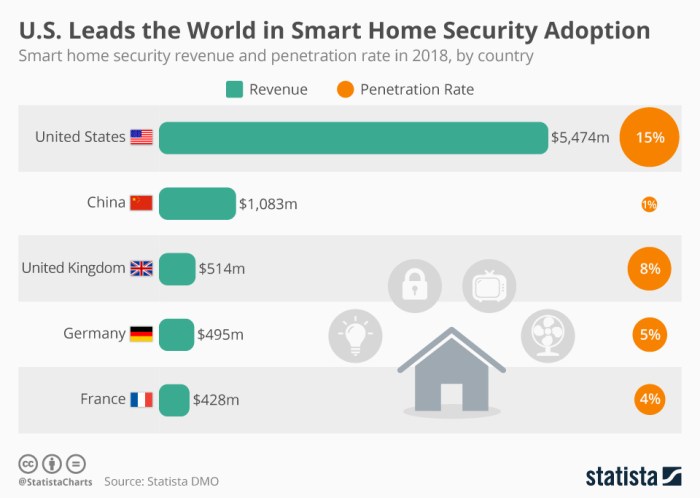
The global market for smart security systems is experiencing significant growth, driven by increasing awareness of home security and advancements in technology. Key trends include the rise of DIY installations, integration with smart home devices, and the adoption of cloud-based storage for video footage.
Outcome Summary
In conclusion, exploring the top smart security systems for global homes unveils a landscape filled with innovation and adaptability. With a focus on integration, features, and market trends, these systems promise to elevate home security to new heights.
Top FAQs
How do smart security systems integrate with home automation?
Smart security systems can seamlessly connect with other smart devices in your home, allowing for centralized control and automation of security features.
Are smart security systems adaptable to different housing structures?
Yes, smart security systems are designed to be versatile and adaptable to various housing structures, ensuring they can be effectively installed in different home environments.
What are the key features commonly found in smart security systems?
Common features include motion detection, remote monitoring, smartphone alerts, video surveillance, and integration with voice assistants.