
Delving into The Benefits of Combining Home Automation with Energy Efficiency, this introduction immerses readers in a unique and compelling narrative, with a casual formal language style that is both engaging and thought-provoking from the very first sentence.
Exploring the seamless integration of home automation and energy efficiency offers a glimpse into a world where convenience meets sustainability. This article delves into the ways these two concepts converge to revolutionize modern living.
Benefits of Home Automation
Home automation refers to the use of smart devices and technology to control various aspects of a home, such as lighting, temperature, security, and entertainment systems. These systems can be controlled remotely through a smartphone or voice commands, offering convenience and efficiency to homeowners.
How Home Automation Systems Work
Home automation systems typically consist of a central hub that connects wirelessly to various smart devices throughout the home. These devices communicate with the hub and can be controlled through a mobile app or voice commands.
Examples of Commonly Automated Home Devices
- Smart thermostats that adjust temperature settings based on occupancy and preferences.
- Smart lighting systems that can be programmed to turn on or off at specific times or controlled remotely.
- Smart security cameras that provide live video feeds and motion detection alerts.
- Smart locks that can be unlocked remotely or through biometric recognition.
The Convenience of Controlling Devices Remotely
One of the key benefits of home automation is the ability to control devices from anywhere, using a smartphone or voice commands. This means you can adjust the thermostat, turn off lights, or check security cameras even when you're not at home, adding convenience and peace of mind.
Enhancing Security and Safety at Home
Home automation can also enhance security and safety by allowing homeowners to monitor their property through connected devices. For example, you can receive alerts on your phone if a door is opened unexpectedly or if there is motion detected in a certain area, helping to prevent potential intrusions or accidents.
Advantages of Energy Efficiency
Energy efficiency plays a crucial role in both saving money on utility bills and reducing the environmental impact of energy consumption. By embracing energy-efficient practices and technologies, homeowners can enjoy a range of benefits that not only benefit their wallets but also contribute to a more sustainable future.
Reducing Utility Bills
- Energy-efficient appliances consume less electricity, leading to lower energy bills over time.
- Proper insulation and sealing can prevent energy wastage, further reducing heating and cooling costs.
- Smart energy management systems enable homeowners to monitor and control their energy usage, optimizing efficiency and minimizing expenses.
Environmental Impact
- Conserving energy reduces the demand for fossil fuels, lowering greenhouse gas emissions and mitigating climate change.
- By using energy-efficient appliances and renewable energy sources, homeowners can decrease their carbon footprint and contribute to a cleaner environment.
Lower Energy Consumption with Energy-Efficient Appliances
- Energy Star-rated appliances are designed to use less energy without compromising performance, helping homeowners save on electricity usage.
- Upgrading to energy-efficient HVAC systems, water heaters, and lighting fixtures can significantly reduce overall energy consumption in a home.
- Incorporating smart thermostats and lighting controls can further optimize energy usage and enhance savings.
Benefits of Using Renewable Energy Sources
- Installing solar panels or wind turbines can generate clean, renewable energy on-site, reducing reliance on traditional power grids.
- Renewable energy sources like solar and wind are sustainable and eco-friendly, offering long-term energy cost savings and environmental benefits.
- Utilizing renewable energy in a home can provide energy independence and resilience against fluctuating energy prices and supply disruptions.
Integration of Home Automation and Energy Efficiency
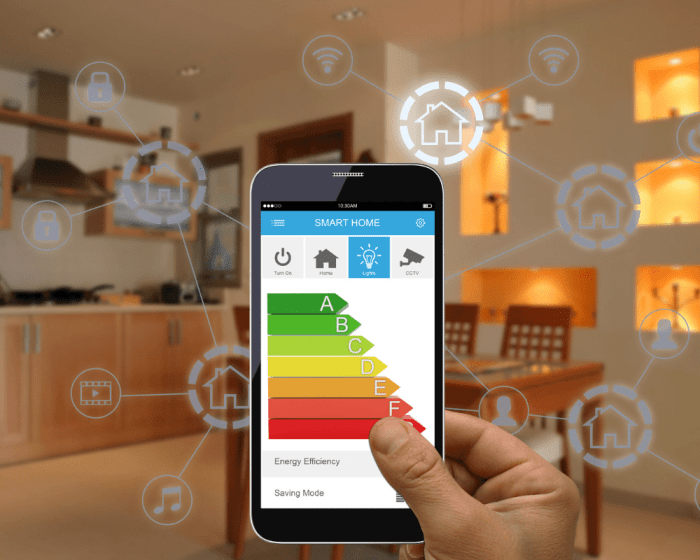
Combining home automation with energy efficiency can lead to optimized energy use, resulting in lower utility bills and reduced environmental impact. By integrating smart devices and automated systems, homeowners can effectively manage and control their energy consumption.
Smart Devices for Energy Conservation
Smart thermostats, such as Nest and Ecobee, can learn your heating and cooling preferences and adjust the temperature accordingly, leading to energy savings. Smart lighting systems, like Philips Hue and Lutron, allow you to schedule and control lights remotely, reducing unnecessary energy usage.
Connected appliances, such as smart refrigerators and washing machines, can operate more efficiently, further conserving energy.
Impact on Overall Energy Savings
- Integration of home automation and energy efficiency can result in significant cost savings on utility bills over time.
- Automated systems can monitor energy usage patterns and adjust settings to maximize efficiency, reducing waste.
- By combining these technologies, homeowners can create a more sustainable living environment and contribute to a greener future.
Adaptation to Energy-Efficient Practices
Automated systems can adapt to energy-efficient practices by analyzing data and making adjustments based on usage patterns. For example, smart thermostats can optimize heating and cooling schedules based on occupancy and weather conditions, ensuring energy is not wasted when no one is home.
Smart power strips can automatically shut off power to electronics when not in use, further reducing standby energy consumption.
Cost Savings and Return on Investment
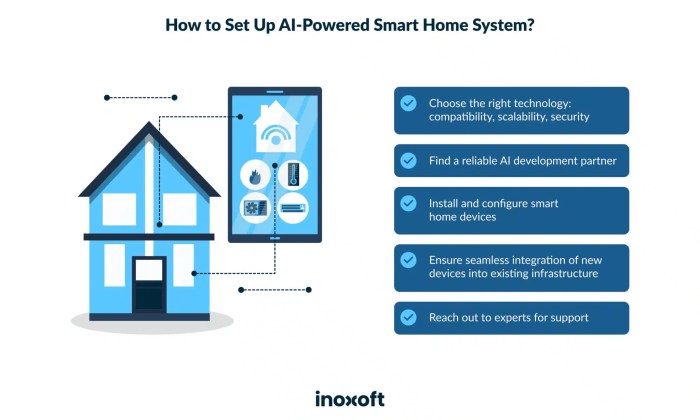
Investing in home automation for energy efficiency may require an initial upfront cost, but the long-term benefits can result in significant cost savings. By integrating smart technologies into your home, you can optimize energy usage and reduce utility expenses over time.
Reduced Utility Bills
- Energy-efficient practices such as smart thermostats, LED lighting, and automated appliances can lead to lower electricity, heating, and cooling bills.
- Monitoring and controlling energy usage through automation allows you to identify areas where energy is being wasted and make adjustments to save on costs.
- Implementing energy-efficient solutions like solar panels or smart HVAC systems can further reduce reliance on traditional energy sources, resulting in lower utility bills.
Return on Investment
- While the initial cost of installing home automation systems may seem high, the savings in energy bills can often offset this expense over time.
- According to studies, homeowners can expect to recoup their initial investment in home automation within a few years through reduced energy consumption and lower utility bills.
- Smart home devices that optimize energy usage can increase the overall value of your property, providing a return on investment if you decide to sell your home in the future.
End of Discussion
In conclusion, The Benefits of Combining Home Automation with Energy Efficiency pave the way for a more efficient and environmentally conscious lifestyle. By harnessing the power of automation and energy-saving practices, homeowners can enjoy a smarter, greener future.
FAQ Resource
How can home automation systems enhance security?
Home automation systems can provide features like remote monitoring, motion sensors, and smart locks to enhance security by allowing homeowners to control and monitor their home from anywhere.
What are some examples of energy-efficient appliances?
Energy-efficient appliances include LED light bulbs, ENERGY STAR certified refrigerators, and smart thermostats that help reduce energy consumption and lower utility bills.
How does integrating automation and energy efficiency impact overall energy savings?
Integrating automation and energy efficiency can lead to significant energy savings by optimizing energy use, reducing waste, and promoting sustainable practices in the home.