
Delving into Understanding Roof Estimates: What Is Included and What to Expect, this introductory paragraph aims to provide a comprehensive overview of the topic, capturing the reader's interest right from the start.
The subsequent paragraph will delve into the specifics, shedding light on each aspect of the discussion.
Understanding Roof Estimates
When embarking on a home improvement project, one crucial aspect to consider is obtaining a detailed roof estimate. This estimate serves as a comprehensive breakdown of the costs and work involved in the roofing project, helping homeowners make informed decisions and budget effectively.
Purpose of a Roof Estimate
A roof estimate plays a vital role in providing homeowners with a clear understanding of the scope and expenses associated with a roofing project. It serves as a roadmap for the entire project, outlining the materials, labor costs, and timeline involved.
Key Components of a Roof Estimate
- Materials: This includes the cost of shingles, underlayment, flashing, and any other materials needed for the roofing project.
- Labor Costs: The estimate should detail the cost of labor, including the number of workers needed and their hourly rates.
- Roof Size: The square footage of the roof is a crucial factor in determining the overall cost of the project.
- Timeline: A timeline outlining the duration of the project and key milestones should be included in the estimate.
Importance of Obtaining a Detailed Roof Estimate
Obtaining and understanding a detailed roof estimate is essential before starting a roofing project. It helps homeowners plan their budget effectively, avoid unexpected costs, and ensure that the project stays on track. By having a clear understanding of the estimate, homeowners can make informed decisions and hire a reputable roofing contractor.
What Is Included in a Roof Estimate
When receiving a roof estimate, it's essential to understand what is typically included in the breakdown of costs. This information can help you make informed decisions about your roofing project and ensure you are getting a fair deal.The materials that are usually listed in a standard roof estimate include items such as shingles, underlayment, flashing, and ventilation components.
These materials are crucial for the functionality and durability of your roof, and the estimate should specify the type and quantity needed for your specific project.
Labor Costs in a Roof Estimate
Labor costs are another significant component of a roof estimate. These costs cover the installation of the roofing materials, as well as the labor required for any repairs or modifications to the existing roof structure. Roofing labor costs can vary depending on factors such as the size of the roof, the complexity of the design, and the experience level of the roofing crew.
Additional Fees or Charges in a Comprehensive Roof Estimate
In addition to materials and labor, a comprehensive roof estimate may include additional fees or charges. These can encompass items such as permit fees, waste disposal costs, and any necessary equipment rentals. It's essential to review these additional charges carefully to ensure you have a complete understanding of the total cost of your roofing project.
Factors Affecting Roof Estimates
When it comes to determining the cost of a roofing project, several factors come into play that can influence the overall estimate. Understanding these factors is crucial for homeowners to get an accurate idea of what to expect in terms of expenses.The size and complexity of a roof play a significant role in determining the overall estimate.
Larger roofs require more materials and labor, leading to higher costs. Additionally, roofs with complex designs, multiple angles, and unusual shapes can also increase the complexity of the installation process, impacting the final estimate.
Roof's Pitch, Slope, and Design
The pitch and slope of a roof can greatly affect the cost estimate. Steeper roofs are more challenging to work on and may require special safety equipment and additional labor, leading to higher costs
- The pitch of a roof refers to the steepness of its slope. A higher pitch means a steeper slope, which can increase the difficulty of installation and overall cost.
- Roofs with multiple angles, dormers, or skylights require extra care and precision during installation, leading to higher labor costs.
Other Factors Influencing the Estimate
Apart from size and design, several other factors can affect the cost estimate of a roofing project. The type of roofing materials chosen, the location of the property, and the expertise of the contractor all play a role in determining the final cost.
- The type of roofing material selected can have a significant impact on the overall cost. High-end materials like slate or metal tend to be more expensive than standard asphalt shingles.
- The location of the property can also influence the estimate, with labor costs varying depending on the local market conditions and regulations.
- The expertise and reputation of the contractor can affect the estimate, as experienced professionals may charge higher rates for their services.
What to Expect in a Roof Estimate Meeting
When homeowners schedule a roof estimate meeting with a contractor, they can anticipate a thorough assessment of their roof's condition and a detailed discussion regarding the scope of work required for any necessary repairs or replacements.
Assessment of Roof's Condition
During the estimate meeting, the contractor will inspect the roof both from the outside and possibly from inside the attic to evaluate the current condition. They will look for signs of damage, such as missing or damaged shingles, leaks, or sagging areas.
This assessment helps them determine the extent of repairs needed and if a full replacement is necessary.
Determining Scope of Work
Based on the assessment, the contractor will Artikel the scope of work required to address any issues with the roof. This may include details on the materials needed, the labor involved, and the estimated timeline for completing the project. Homeowners can expect a breakdown of costs associated with each aspect of the job.
Importance of Asking Questions
It is crucial for homeowners to ask questions and seek clarification during the estimate meeting. This is the perfect opportunity to address any concerns, understand the proposed solutions, and get a clear picture of the entire process. By being proactive and engaging in dialogue with the contractor, homeowners can ensure they are well-informed and confident in their decision-making process.
Outcome Summary
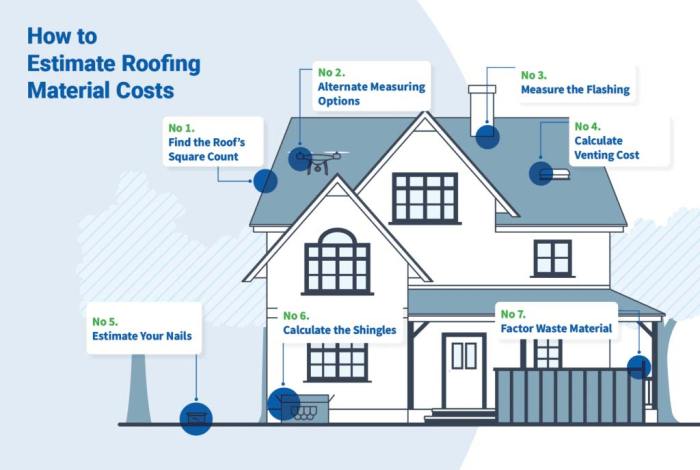
Wrapping up the discussion with a compelling summary, encapsulating the key points discussed throughout.
Q&A
What are the common materials listed in a standard roof estimate?
Materials such as asphalt shingles, metal roofing, tiles, underlayment, and flashing are commonly included in a roof estimate.
How do the size and complexity of a roof impact the overall estimate?
A larger or more complex roof typically requires more materials and labor, hence affecting the overall cost estimate.
What can homeowners expect during a roof estimate consultation?
Homeowners can expect the contractor to assess the roof's condition, provide recommendations, and Artikel the scope of work needed for the project.